

17·
2 months agoThere is no such thing as too much RAM…
There is no such thing as too much RAM…
Update: We switched to Kitchen Owl as suggested in the comments.
We switched to Kitchen Owl and it works out okay. The recipe management is nice in theory, but doesn’t work well for most of our recipe sources (because of parsing issues most websites aren’t recognized and ingredient amounts are not parsed correctly for German recipes), but we usually just create an empty recipe with a link to the original. This isn’t perfect - in hindsight we should have stayed with Bring! because it just works better. We are hoping that the issues will be fixed sometime in the future although I am not sure what to expect…
My home server is called Home Alone, my web server Carl Lewis. At work we use names of robots or computers from movies, games or comics.
It is explained in the article though…
So he proved his point, didn’t he…
The new font looks fantastic!
You know you’re allowed (some might even say supposed) to have different keys for different machines. They’re basically free to generate and take up to no space.
Good news: The gauge card is a standard component.
I like the low battery panel. I might copy that. I have a general overview over all batteries, but it didn’t occur to me that I could filter the values and show only the ones needing replacement.
My default dashboard is maybe a little bit unusual:
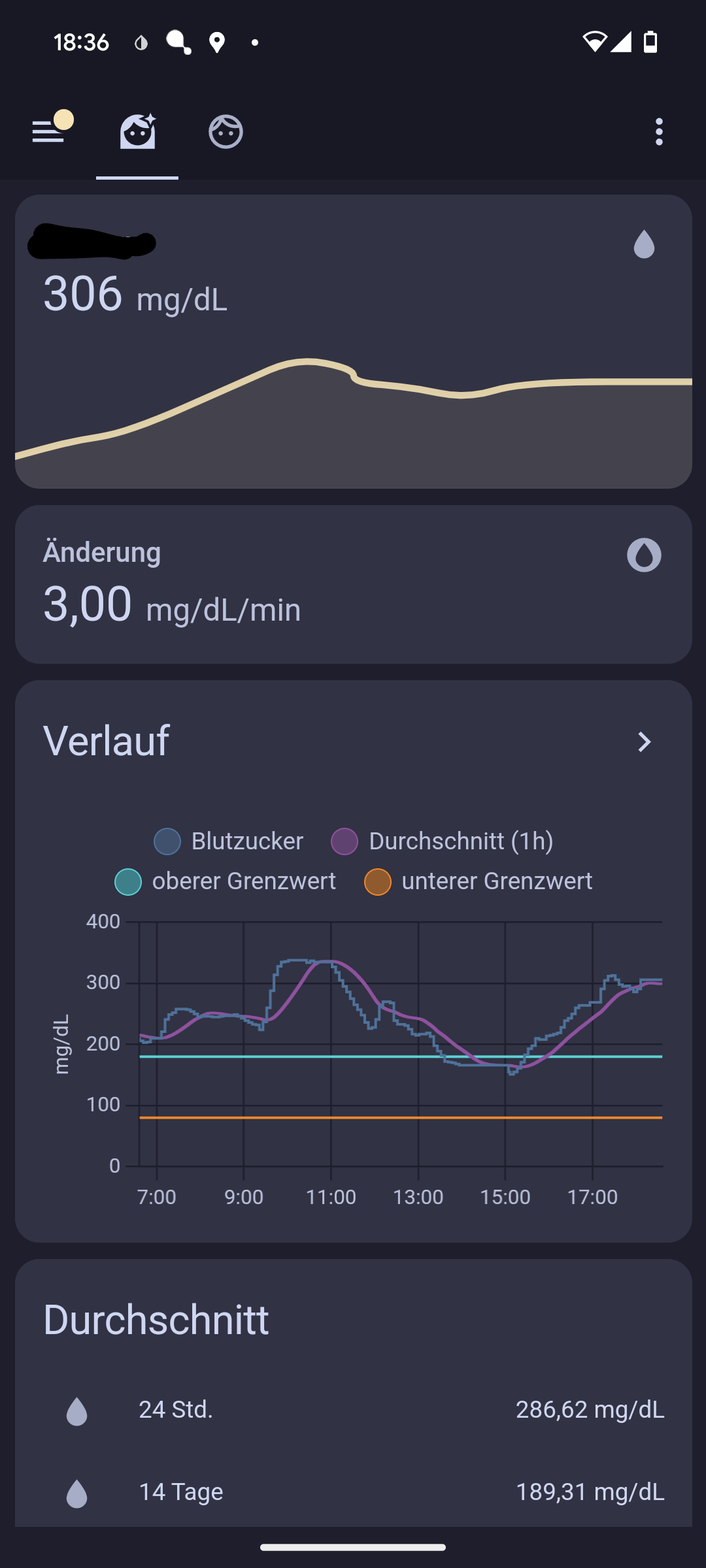
It’s the blood glucose levels of my daughter (and mine in the next tab) as we are both T1 diabetics. The levels are transmitted via a tool called Nightscout and then shared with Home Assistant. This allows my wife and myself to get notified via light signals at night (in addition to the alarm her blood glucose sensor sounds). The dashboard also contains average levels for several timespans as well as an estimated long time level (Hb1Ac).
The second dashboard is an overview of all the lights, sensors and appliances located on a floorplan of the house:
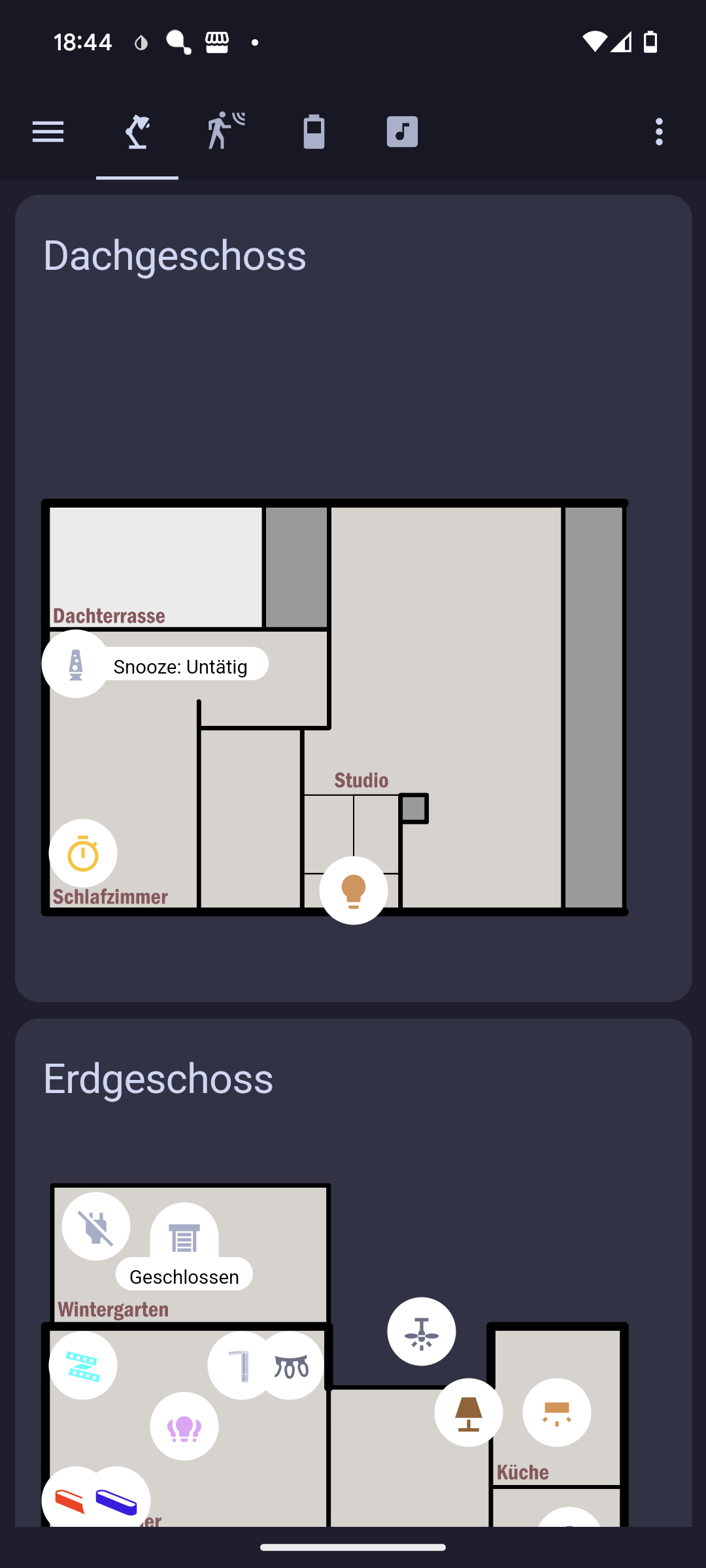
There are several tabs grouping lights (and appliances), sensor readings and battery levels.
INWX because it’s a local provider which seems decent.
For the exact reason they are posting this. What if some service you are referencing has breaking changes? If you pinpoint the exact version it will have no effect to your project unless you decide (hopefully after some consideration) to upgrade the service version number.

I would love to see this as well. It’s definitely a challenging topic as crossposts can happen across instances, but I think it would greatly improve the discoverability of content and new communities.

I have a motion sensor in the bedroom that turns the light on when you enter it (or leave it) and turns it off after some time once there is no motion detected anymore. But there is also a button right next to the door which disables the automation for 10 minutes for entering the bedroom at night when our youngest is already sleeping in the room.
Simple but very useful and even my wife likes it alot.
Oh yes. Creating an empty environment can easily take up several gigabytes…
Can’t wait to tell my wife she has to create a merge request to change our plans for tonight. 😉
That sounds like it is very complex, but the interface seems nice. I will have a look.
I don’t think that I will do this. It will most likely not be a better user experience than our current solution with Bring!
But thank you for the suggestion.


My dog refuses to do 2FA so that’s not going to happen anytime soon… /s